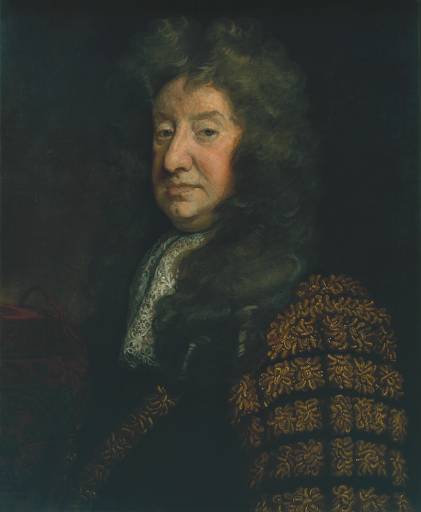
John Hay, 1st Marquess of Tweeddale
1626 – 1697
2nd Earl of Tweeddale · 1st Earl of Gifford · 1st Viscount Walden · Lord Hay of Yester
John Hay was a central figure in the political upheavals of late 17th-century Scotland. A committed Presbyterian and supporter of constitutional government, he rallied to the cause of William of Orange during the Glorious Revolution of 1688, a decision that would reshape both his family's fortunes and Scotland itself.
Appointed Lord Chancellor of Scotland in 1692, he became the most powerful legal and political figure in the country. In recognition of his loyalty, King William III elevated him to Marquess of Tweeddale on 17 December 1694, simultaneously creating the subsidiary titles of Earl of Gifford and Viscount Walden.
As Lord High Commissioner to the Parliament of Scotland from 1694 to 1696, he presided over the legislature at a critical moment. It was under his authority that the official inquiry into the infamous Massacre of Glencoe (1692) was finally ordered in 1695. This act helped hold the government accountable for one of the darkest episodes in Highland history.
Key Roles & Achievements
- Lord Chancellor of Scotland, 1692–1696
- Lord High Commissioner to the Parliament of Scotland, 1694–1696
- Created Marquess of Tweeddale by William III, 1694
- Ordered the inquiry into the Massacre of Glencoe, 1695
- Supporter of the Glorious Revolution
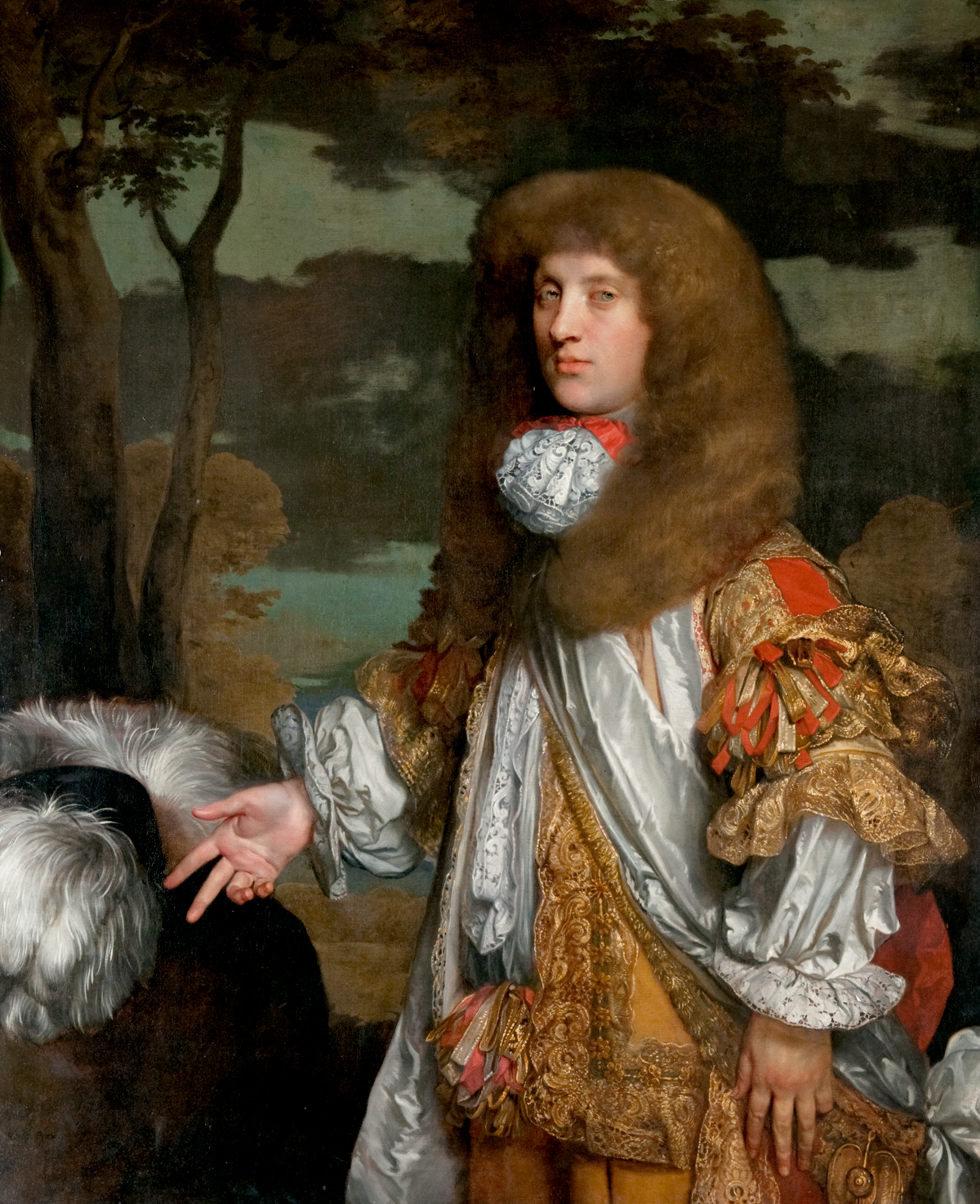
John Hay, 2nd Marquess of Tweeddale
1645 – 1713
3rd Earl of Tweeddale · 2nd Earl of Gifford · 2nd Viscount Walden
The 2nd Marquess inherited both his father's title and his taste for political life. A military man as well as a statesman, he held a colonelcy from 1668 to 1689, commanding regiments across Scotland during a period of religious and political tension.
His greatest political role came in the years leading up to the Acts of Union in 1707. Appointed Lord High Commissioner to the Parliament of Scotland in 1704 and Lord Chancellor of Scotland from 1704 to 1705, he was at the very centre of the debate over whether Scotland should unite with England.
He led the influential Squadrone Volante, a faction of Scottish nobles who held the balance of power. Though initially cautious, the Squadrone ultimately cast its votes in favour of the Union, a decision that changed the course of British history. The 2nd Marquess thus played a pivotal, if controversial, role in the creation of Great Britain.
Key Roles & Achievements
- Lord Chancellor of Scotland, 1704–1705
- Lord High Commissioner to the Parliament of Scotland, 1704
- Leader of the Squadrone Volante
- Instrumental in passing the Acts of Union, 1707
- Colonel in the Scottish military, 1668–1689
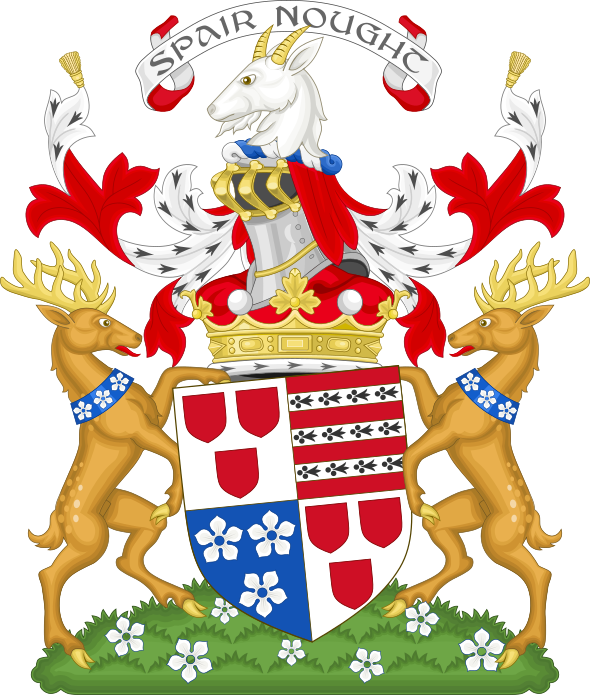
Charles Hay, 3rd Marquess of Tweeddale
c. 1667 – 1715
4th Earl of Tweeddale · 3rd Earl of Gifford · 3rd Viscount Walden
Charles Hay succeeded his father in 1713 and held the marquessate for only two years, a brief tenure set against the backdrop of one of Scotland's most volatile periods. The death of Queen Anne in 1714 and the Hanoverian succession brought renewed tension between supporters of the new King George I and Jacobite sympathisers loyal to the exiled Stuart line.
He married Susanna Hamilton in 1694, connecting the Hay family to another powerful Scottish dynasty. The 3rd Marquess died in December 1715, the very year of the first major Jacobite rising, passing the title to his son at a moment of profound national uncertainty.
Key Roles & Achievements
- Held the title during the Hanoverian succession crisis
- Marriage to Susanna Hamilton strengthened dynastic ties
- Died during the Jacobite rising of 1715
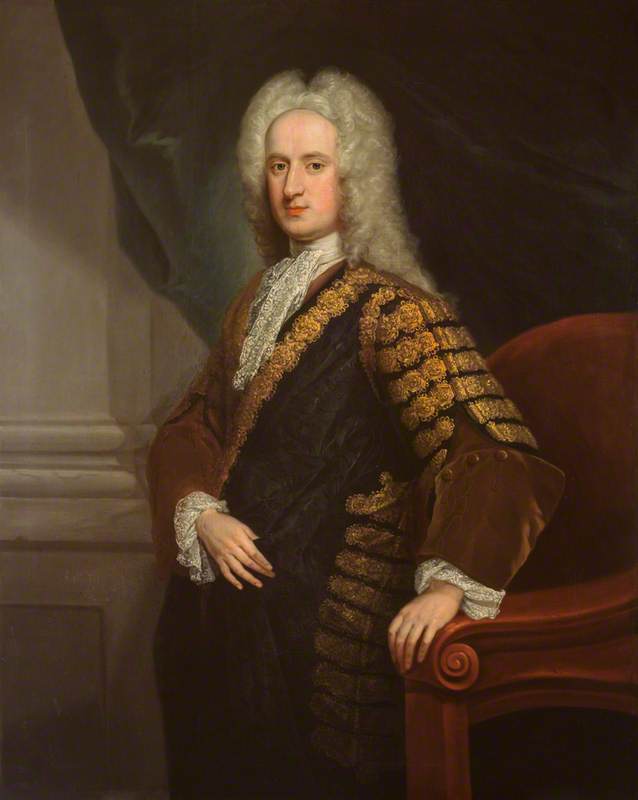
John Hay, 4th Marquess of Tweeddale
1695 – 1762
5th Earl of Tweeddale · 4th Earl of Gifford · 4th Viscount Walden
The 4th Marquess was the most politically consequential holder of the title since his great-grandfather. Following the fall of Robert Walpole in 1742, he was appointed Secretary of State for Scotland, one of the highest offices in the British government responsible for Scottish affairs. He simultaneously served as Principal Keeper of the Signet and was sworn to the Privy Council.
His tenure, however, ended in disgrace. When the Jacobite Rising of 1745 erupted, Tweeddale (based in London) was slow to grasp its seriousness. He reportedly remained sceptical of the threat even as Bonnie Prince Charlie's Highland army marched south from Perth. His poor advice to General Sir John Cope, the military commander in Scotland, was blamed for the government's disastrously slow response.
The political fallout was severe: Tweeddale was dismissed, and the office of Secretary of State for Scotland was abolished entirely, not to be restored until 1885. He went on to serve as Governor of the Bank of Scotland from 1742 and as Lord Justice General in 1761, the year before his death in London.
Key Roles & Achievements
- Secretary of State for Scotland, 1742–1746
- Scottish Representative Peer, 1722–1734 and 1742–1762
- Governor of the Bank of Scotland, from 1742
- Lord Justice General of Scotland, 1761–1762
- His dismissal led to the abolition of the Scottish Secretary of State
George Hay, 5th Marquess of Tweeddale
c. 1758 – 1770
6th Earl of Tweeddale · 5th Earl of Gifford · 5th Viscount Walden
The 5th Marquess held the title for only eight years during the age of the Scottish Enlightenment, when Edinburgh was becoming known as the "Athens of the North." While the great thinkers of the era (David Hume, Adam Smith, and others) reshaped the intellectual landscape, the 5th Marquess served as a quiet steward of the Yester estates in East Lothian.
His was a period of consolidation rather than public drama, managing the family's substantial landholdings during an era of agricultural transformation in the Scottish Lowlands.
Key Roles & Achievements
- Custodian of the Yester estates during the Scottish Enlightenment
- Oversaw the family's East Lothian landholdings
George Hay, 6th Marquess of Tweeddale
1700 – 1787
7th Earl of Tweeddale · 6th Earl of Gifford · 6th Viscount Walden
The 6th Marquess had one of the longest lives of any holder of the title, living to eighty-seven. He succeeded to the marquessate relatively late and presided over the Yester estates during a period of significant agricultural improvement in Scotland.
The late 18th century saw the transformation of the Scottish Lowlands through enclosure, new farming techniques, and improved land management, changes that reshaped the rural economy and the landscape itself. As one of East Lothian's most prominent landowners, the 6th Marquess was part of this wave of modernisation.
Key Roles & Achievements
- Long-lived steward of the Yester estates
- Oversaw agricultural improvement in the Scottish Lowlands
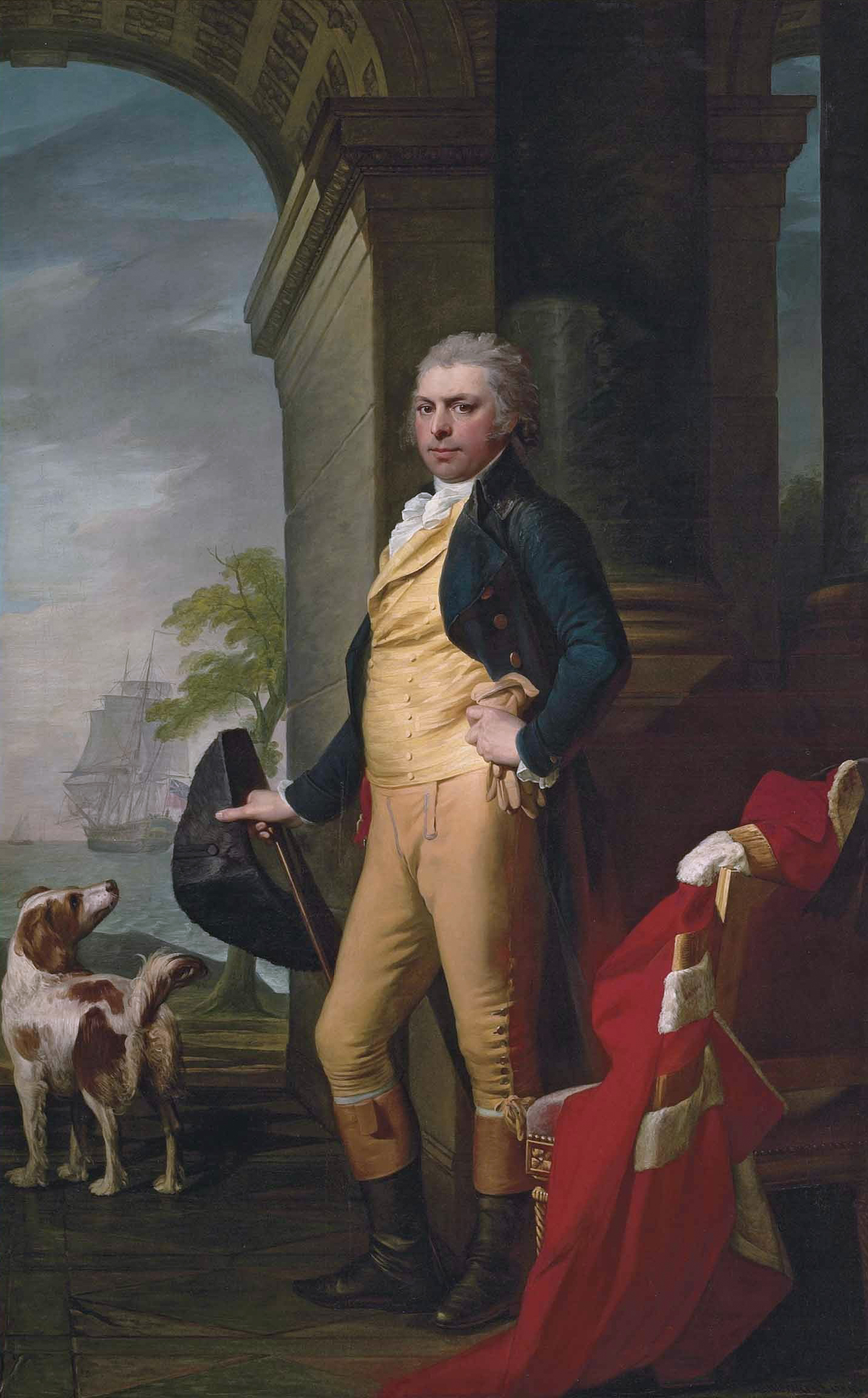
George Hay, 7th Marquess of Tweeddale
1753 – 1804
8th Earl of Tweeddale · 7th Earl of Gifford · 7th Viscount Walden
The 7th Marquess held the title during the era of the French Revolution and the early Napoleonic Wars, a period of profound anxiety for the British aristocracy. He married Lady Hannah Charlotte Maitland, connecting the Hay family to the distinguished Maitland line, Earls of Lauderdale.
His greatest legacy may be his eldest son: George Hay, the 8th Marquess, who was born at Yester House in 1787 and would go on to become one of the most celebrated military figures of the 19th century. The 7th Marquess died in 1804, just as the Napoleonic Wars were intensifying.
Key Roles & Achievements
- Married Lady Hannah Charlotte Maitland, linking the Hay and Maitland families
- Father of Field Marshal George Hay, 8th Marquess
- Steward of the estates during the French Revolutionary era
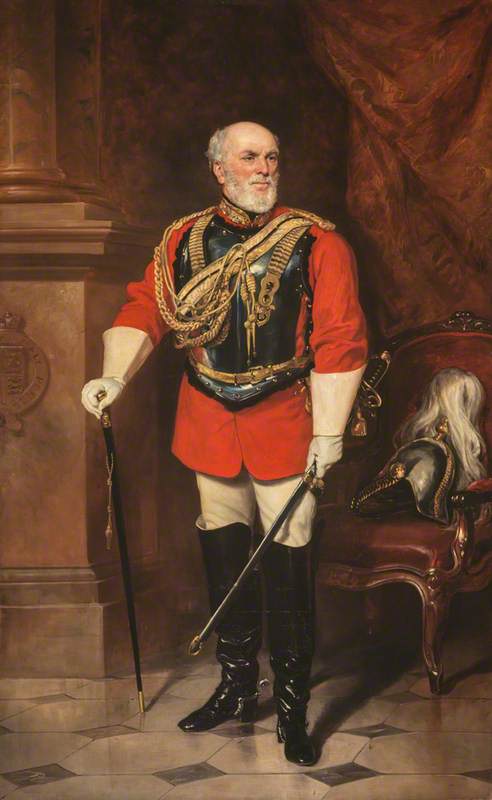
George Hay, 8th Marquess of Tweeddale
1787 – 1876
9th Earl of Tweeddale · 8th Earl of Gifford · 8th Viscount Walden · Field Marshal · KT · GCB
The 8th Marquess was by far the most distinguished military figure in the family's history, rising to the supreme rank of Field Marshal in the British Army. Born at Yester House, he entered military service during the Napoleonic Wars and served as a staff officer under Arthur Wellesley, the future Duke of Wellington.
He saw action at the Second Battle of Porto in May 1809, when British forces crossed the Douro River and routed Marshal Soult's French troops in a daring surprise attack. He fought at the Battle of Bussaco (1810) and the Battle of Vitoria (1813), engagements that helped turn the tide of the Peninsular War and ultimately drove Napoleon's forces from the Iberian Peninsula.
After the wars, his career took a colonial turn. He was appointed Governor of Madras (now Chennai) and simultaneously served as Commander-in-Chief of the Madras Army, governing one of the most important provinces of British India. He held the Hereditary Chamberlainship of Dunfermline and was honoured with the Knight of the Thistle (KT) and Knight Grand Cross of the Bath (GCB).
He lived to the remarkable age of eighty-nine, one of the longest-lived peers of his era, and remains the most decorated holder of the Tweeddale title.
Key Roles & Achievements
- Field Marshal in the British Army
- Peninsular War veteran: Porto, Bussaco, Vitoria
- Served under the Duke of Wellington
- Governor of Madras and Commander-in-Chief of the Madras Army
- Knight of the Thistle (KT) and Knight Grand Cross of the Bath (GCB)
- Hereditary Chamberlain of Dunfermline
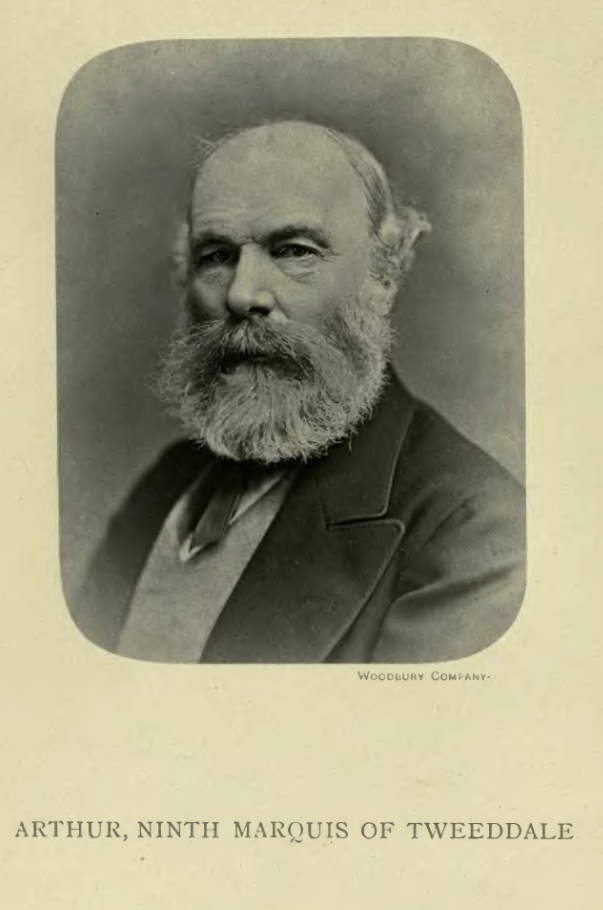
Arthur Hay, 9th Marquess of Tweeddale
1824 – 1878
10th Earl of Tweeddale · 9th Earl of Gifford · 9th Viscount Walden
Colonel Arthur Hay brought a strikingly different dimension to the Tweeddale legacy. Born at Yester House, the son of the celebrated 8th Marquess, he followed his father into the military and rose to the rank of Colonel in the Grenadier Guards, receiving his commission in 1841.
But it was as a pioneering ornithologist that the 9th Marquess made his most lasting mark. He became a Fellow of the Zoological Society of London (F.Z.S.) and devoted years to the study and cataloguing of birds, with a particular focus on the avifauna of the Philippines and Southeast Asia. His ornithological collections and publications contributed significantly to Victorian-era natural science.
He succeeded his father in 1876 but held the title for only two years before his own death in 1878, aged just fifty-four.
Key Roles & Achievements
- Colonel in the Grenadier Guards
- Fellow of the Zoological Society of London
- Pioneering ornithologist specialising in Philippine and Southeast Asian birds
- Contributed to Victorian natural science through published works and collections
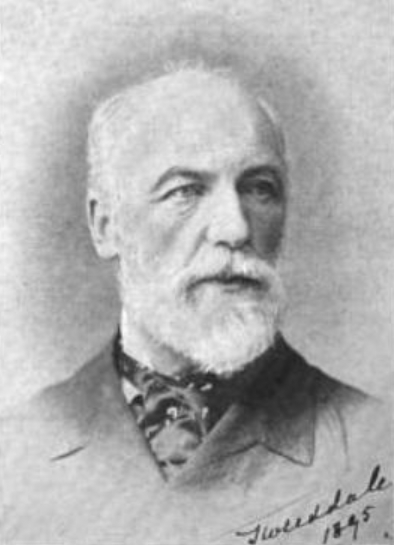
William Montagu Hay, 10th Marquess of Tweeddale
1826 – 1911
11th Earl of Tweeddale · 10th Earl of Gifford · 10th Viscount Walden · 1st Baron Tweeddale
The 10th Marquess combined colonial experience with parliamentary service. Born at Yester House, he spent years in British India as a member of the Bengal Civil Service, gaining firsthand knowledge of imperial administration before returning to Britain.
Back home, he entered politics as a Liberal Member of Parliament, representing his constituents during the reforming era of Gladstone. He succeeded his brother Arthur as Marquess in 1878 and served in the House of Lords, where in 1881 he was additionally created Baron Tweeddale of Yester in the Peerage of the United Kingdom, the first UK peerage held alongside the Scottish titles, giving him a seat in the Lords in his own right.
He oversaw the management of the Yester estates during a period of significant change in Scottish land ownership, navigating the agricultural depression of the late Victorian period.
Key Roles & Achievements
- Bengal Civil Service: served in British India
- Liberal Member of Parliament
- Created Baron Tweeddale of Yester (UK Peerage), 1881
- Managed the Yester estates through the Victorian agricultural depression
William George Montagu Hay, 11th Marquess of Tweeddale
1884 – 1967
12th Earl of Tweeddale · 11th Earl of Gifford · 11th Viscount Walden · 2nd Baron Tweeddale
The 11th Marquess held the title for over half a century, the longest tenure of any holder, steering the family through some of the most transformative decades in British history. A soldier and landowner, he bore the weight of the title through both World Wars, the decline of the great estates, and the sweeping social changes that redefined the British aristocracy in the 20th century.
He succeeded his father in 1911, on the eve of the Great War, and lived through the era of universal suffrage, the welfare state, and the dismantling of empire. His was a period of adaptation: the old world of hereditary privilege was giving way to a democratic age, and the great Scottish landed families had to find new ways to sustain their heritage.
Key Roles & Achievements
- Longest-serving Marquess: held the title from 1911 to 1967
- Soldier and landowner through both World Wars
- Navigated the transformation of the British aristocracy in the 20th century
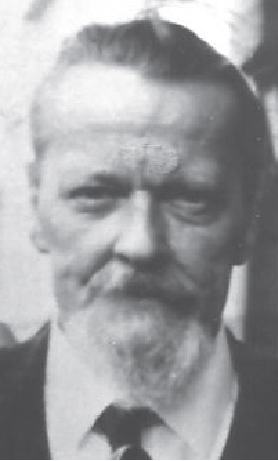
David George Montagu Hay, 12th Marquess of Tweeddale
1921 – 1979
13th Earl of Tweeddale · 12th Earl of Gifford · 12th Viscount Walden · 3rd Baron Tweeddale
The 12th Marquess was a man of exceptional personal courage. Educated at Eton College, he served as a Lieutenant in the Royal Naval Reserve during the Second World War. In 1941, he was awarded the Albert Medal for extraordinary bravery, an honour later exchanged for the George Cross, the highest civilian decoration for gallantry in the United Kingdom.
The circumstances of his award speak to a character forged in wartime: the Albert Medal was reserved for acts of supreme courage in saving life, and it was subsequently deemed equivalent to the George Cross when that decoration was instituted.
He married Hon. Sonia Mary Peake in 1946 (the marriage was dissolved in 1958) and later married Nella Doreen Dutton in 1959. His twin sons, Edward and Charles, would become the 13th and 14th Marquesses respectively.
Key Roles & Achievements
- Educated at Eton College
- Lieutenant in the Royal Naval Reserve during World War II
- Awarded the Albert Medal for bravery, 1941
- Albert Medal subsequently exchanged for the George Cross (GC)
- Father of twin sons who would become the 13th and 14th Marquesses
Edward Douglas John Hay, 13th Marquess of Tweeddale
1947 – 2005
14th Earl of Tweeddale · 13th Earl of Gifford · 13th Viscount Walden · 4th Baron Tweeddale
The elder of the twin sons born to the 12th Marquess, Edward Hay was educated at Milton Abbey School and Trinity College, Oxford, where he graduated with a BA. He worked professionally as an insurance broker, a sign of the changing times, as the aristocracy increasingly pursued careers in the City and commerce.
He succeeded his father as Marquess in 1979 and served as a member of the House of Lords during a period of constitutional change, including the debates leading to the House of Lords Act 1999, which removed the automatic right of hereditary peers to sit in the upper chamber.
The 13th Marquess died unmarried on 1 February 2005, aged fifty-seven. The title passed to his younger twin brother, Charles.
Key Roles & Achievements
- Educated at Milton Abbey and Trinity College, Oxford
- Career as an insurance broker in the City
- Member of the House of Lords
- Elder twin of the 12th Marquess's sons
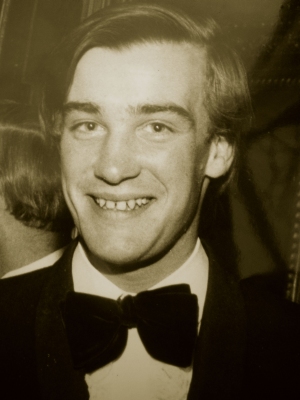
Charles David Montagu Hay, 14th Marquess of Tweeddale
Born 1947
15th Earl of Tweeddale · 14th Earl of Gifford · 14th Viscount Walden · 5th Baron Tweeddale
The current and 14th Marquess of Tweeddale is the younger twin brother of the 13th Marquess. Like his brother, he was educated at Milton Abbey School and Trinity College, Oxford.
He succeeded to the marquessate and all its subsidiary titles in February 2005 upon the death of his brother Edward. As the present holder of a title created over three centuries ago, he represents the living continuation of a legacy stretching back to the Glorious Revolution, the Acts of Union, the Peninsular War, and beyond.
The Marquessate of Tweeddale endures: a thread connecting the Scotland of William III to the Scotland of the 21st century.
Key Roles & Achievements
- Educated at Milton Abbey and Trinity College, Oxford
- Succeeded his twin brother as 14th Marquess, 2005
- Current holder of the Marquessate of Tweeddale