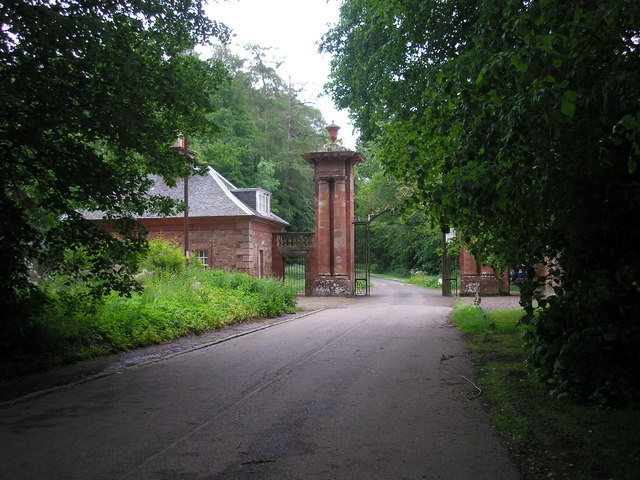
The ancient lands of Yester: from a wizard's hall to a Georgian mansion
The story of the Tweeddale estates begins long before the Marquessate itself. Nestled in the rolling hills of East Lothian, near the village of Gifford, these lands have been held by the Hay family since the 14th century and before them by the Giffards, whose legacy includes one of Scotland's most mysterious and enduring structures.
A ruin steeped in legend, one and a half miles southeast of Gifford
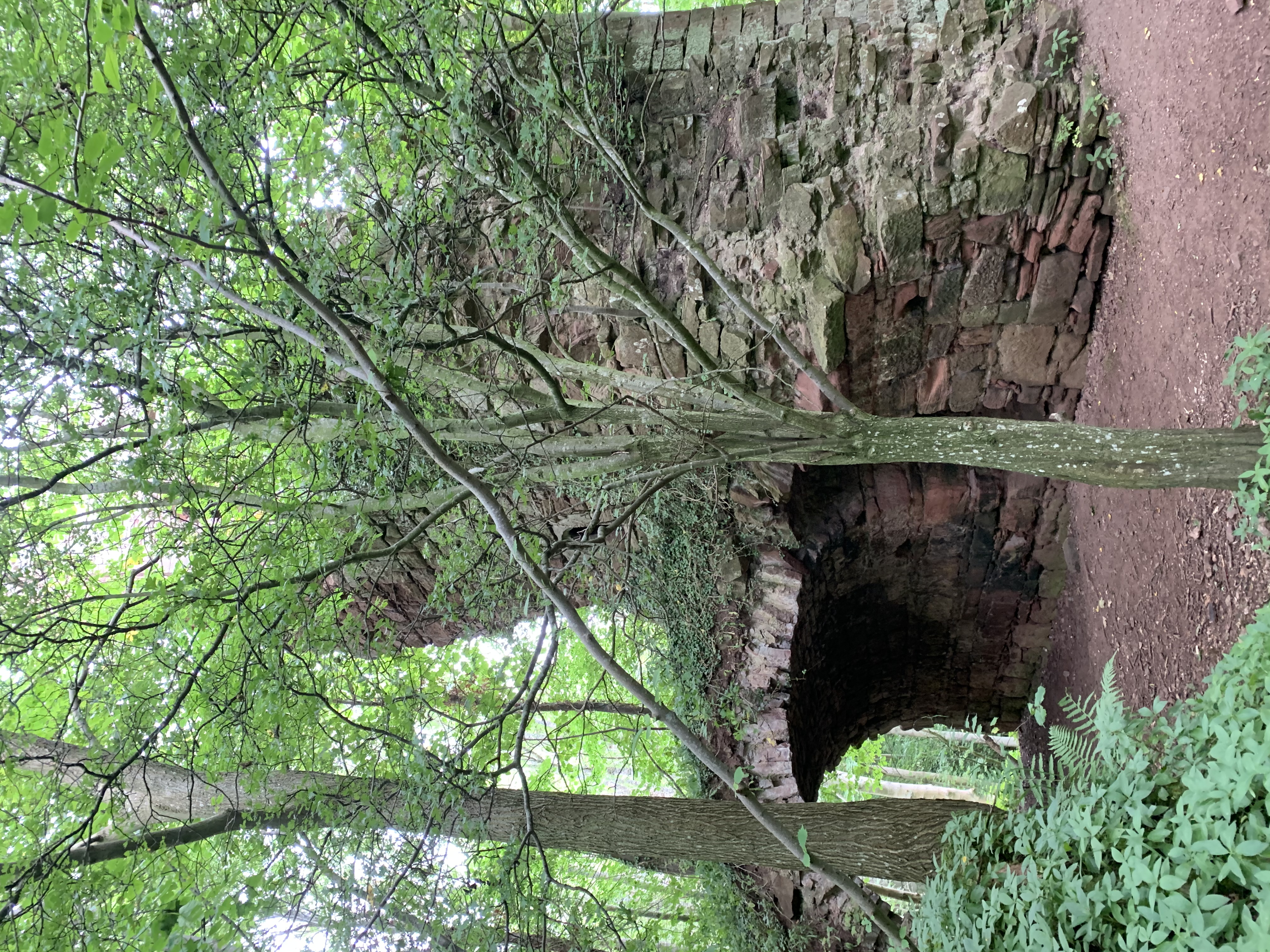
The barony of Yester, originally known as Yestred, was granted by King William the Lion to Hugo de Giffard, a Norman knight who settled in Scotland. The original stone keep was built before 1267 by his descendant, Sir Hugo de Giffard, who served as a guardian of the young King Alexander III.
Sir Hugo was a figure of extraordinary reputation. Known in his own time and long after as a wizard and necromancer, he was said to command dark arts and consort with supernatural forces. Whether he was a genuine practitioner of medieval science, an alchemist, or simply a man whose intellect and building skills inspired superstitious awe, his legend has endured for nearly eight centuries.
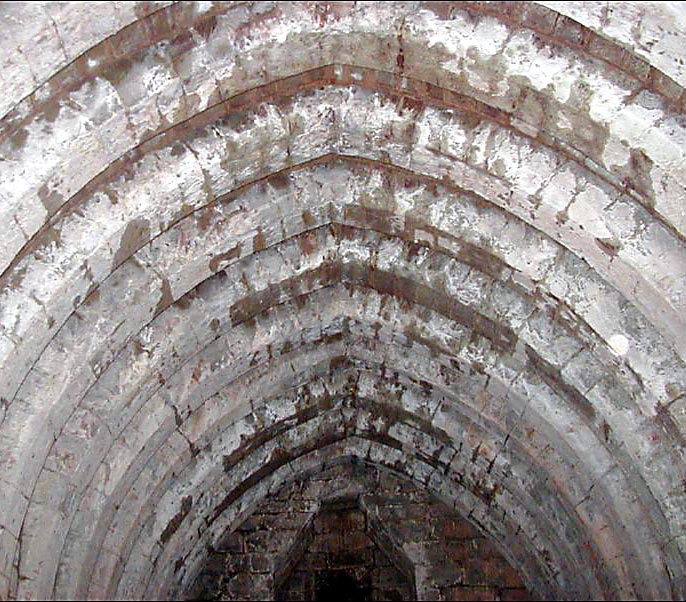
Beneath the ruins of Yester Castle lies Scotland's most famous subterranean chamber: the Goblin Ha' (Goblin Hall), also known as the Hobgoblin Ha' or Bo' Hall. It is the only structure of the original castle that survives intact.
Partly dug into the castle motte, the Goblin Ha' is a remarkable vaulted chamber with a roof of Gothic pointed arches, an astonishing feat of medieval engineering for a subterranean space. According to legend, Sir Hugo built it with the aid of goblins or demons summoned through his sorcery, who raised the great stone vault in a single night.
The chamber was referenced by Sir Walter Scott in his epic poem Marmion (1808), where he described "the Wizard's Hall" beneath Yester, cementing the Goblin Ha's place in Scottish literary tradition. Modern visitors can still descend into the chamber, where the oppressive weight of stone overhead and the darkness below conjure something of the eerie atmosphere that gave rise to the legends.
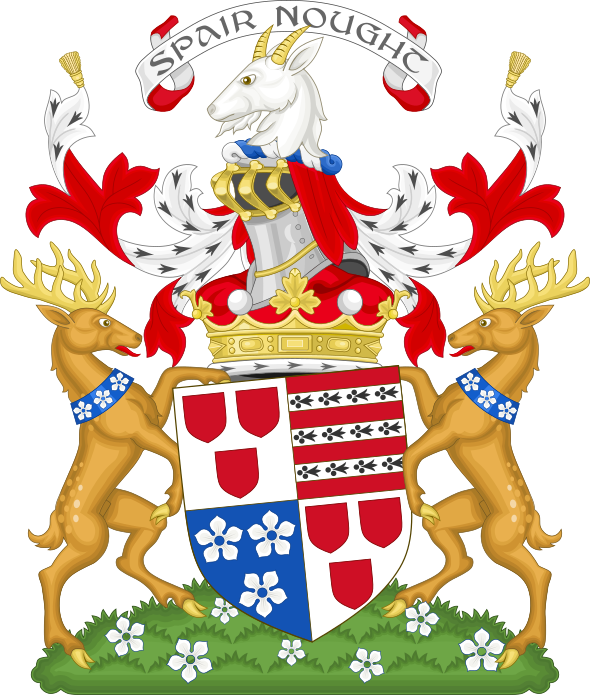
In 1357, the Giffard male line died out, and Joanna, a daughter and co-heiress of the last Sir Hugo de Giffard, married Sir William de la Haye of Peebles. Through this marriage, the barony of Yester and all its lands passed to the Hay family, where they have remained for over six and a half centuries.
The Hays gradually rose through the ranks of the Scottish peerage. The 6th Lord Hay of Yester was created Earl of Tweeddale in 1646, and his son was elevated to Marquess of Tweeddale in 1694. By that time, the medieval castle had been abandoned in favour of newer, more comfortable residences.
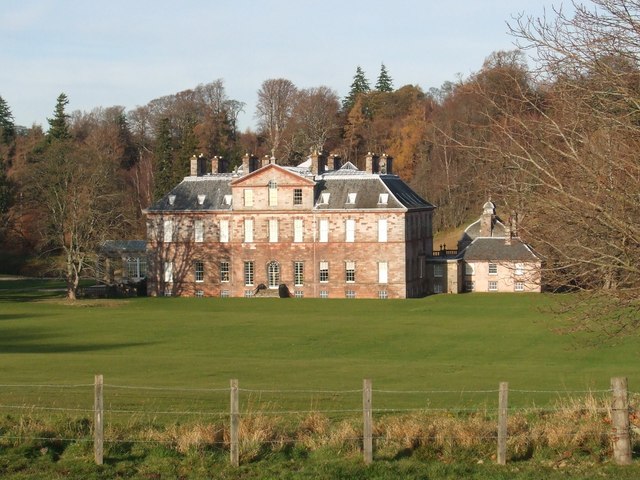
The Georgian family seat, set in the parklands near Gifford
When the Hays abandoned the crumbling medieval castle, they moved to a new tower house on the site of the present-day Yester House, which stands in extensive parkland near the village of Gifford.
The present mansion is a handsome Georgian country house, built and expanded over the 17th and 18th centuries. It served as the principal family seat of the Marquesses of Tweeddale for generations, the place where children were born, guests entertained, and the business of a great Scottish estate was conducted.
It was at Yester House that George Hay, the 8th Marquess, was born in 1787, the future Field Marshal who would fight alongside Wellington. And it was from Yester House that Arthur Hay, the 9th Marquess, departed on the journeys that would make him one of Victorian Britain's leading ornithologists.
The broader Yester estate encompasses fertile agricultural land in one of Scotland's most productive farming regions. East Lothian, sometimes called the "Garden of Scotland," has been renowned for its grain production since the Middle Ages.
The Marquesses of Tweeddale were at the heart of the agricultural revolution that swept the Scottish Lowlands in the 18th and 19th centuries. As major landowners, they played a role in the enclosures, the introduction of new farming techniques, and the modernisation of rural life that transformed the region.
The village of Gifford itself, a planned estate village, owes its form to the influence of the Tweeddale family. With its single main street, its church, and its ordered layout, it is a classic example of the "improved" villages created by Scottish landowners during the Enlightenment era.
The dignities held alongside the Marquessate
The Marquess of Tweeddale holds a cascade of subsidiary titles, each reflecting a different chapter of the family's history. The oldest, Lord Hay of Yester (created 1488), predates the Marquessate by over two centuries. The Earldom of Tweeddale (1646) marks the family's elevation during the Civil War era. The Earl of Gifford and Viscount Walden (both 1694) were created alongside the Marquessate itself.
In 1881, the 10th Marquess was additionally created Baron Tweeddale of Yester in the Peerage of the United Kingdom, giving him and his successors a seat in the House of Lords that did not depend on election as a Scottish Representative Peer.
The family also holds the ancient hereditary office of Chamberlain of Dunfermline, a dignity associated with the royal burgh and abbey of Dunfermline in Fife.